

Single Origin Arabica Coffee Beans
Single origin coffee beans originate from a specific region and are produced by a particular producer. They aren't the same as blends or year-round coffees and offer a more nuanced flavor profile than Robusta beans.
These coffees are usually fruity and floral, with a dry-wine type of flavor. They are typically cultivated at high elevations.
Origin
If you see "single origin," on a coffee label, it indicates that the beans come from a specific area. It can be as broad as the country of origin, or more precise like a specific region within the country or even a micro-lot that comes from one particular farm or co-op. On certain labels, you'll see the word "varietal" which refers to the type (Coffea arabica) from which the beans were sourced.
A variety of factors influence the flavor and taste of coffee, such as bean type, growing conditions and roast level. However, if you're searching for a rich and satisfying cup of coffee, the origin is one of the most important considerations. Single origin arabicas are offered in a variety of flavors that will please all tastes.
Arabica coffee is mostly grown in two regions of the world: Ethiopia, and Yemen. The major genetic diversity of arabica species can be traced back to these two regions. The coffee trees were then removed from the two countries, and around the globe, to form dozens cultivated varieties. Bourbon and Typica, two of the most well-known varieties, are the foundation of modern arabica farming.
To be considered a single-origin bean beans, they must be only from a region that produces excellent arabica beans . The soil temperature, climate, elevation and weather conditions of the coffee-growing region affect its taste and smell. The taste and aroma of a finished product are always affected by the location where the grapes were grown just like champagne or fine wine. Specialty coffee roasters are fond of single origin beans since they are able to display the complete spectrum of characteristics growers can use.
Single origin coffees can be found in blends or on their own. Blends are made to create a balance of flavors, and they can be made up of multiple types of coffee from different regions. Mocha-java is an excellent example of a blended coffee. It is composed of two single origin coffees, one from Mocha in Yemen and the other one from Java, Indonesia.
Variety
The term "varietal" in coffee may be confusing to the uninitiated consumer, since it can describe anything from a specific coffee plant variety (Coffea arabica) to a type of bean (wet or dry). The term "single origin" is distinct meaning that all coffee beans in a bag were harvested under identical conditions at a particular farm. Some of the best coffees on the planet have been sourced from farms with single-origin designation, including our Ethiopian Baarbara Estate, which we roast and sell.
Coffea arabica is the main source of coffee throughout the world. It requires specific conditions for soil and climatic conditions in order to flourish. These trees grow best in high-altitude areas, requiring light shade and moderate temperatures. They also require constant rain. They are small and easy to harvest.
There are several different types of coffee plants, each with its own flavor profile. Robusta is a tolerant and hardy tree that thrives well at low altitudes and uses less water than Arabica. It is often blended with arabica in commercial blends.
While some of the earliest coffees were made from ground and roasted Robusta The modern consumer has an affinity for arabica. Single-origin arabica is a more desirable product because it gives an even more precise and transparent look at the beans that comprise your cup of coffee.
If you are a coffee connoisseur you will be looking to sample a variety of single-origin offerings in each region to find one that matches your tastes. It's a lot easier said than done because each region has coffees with vastly different flavor profiles.
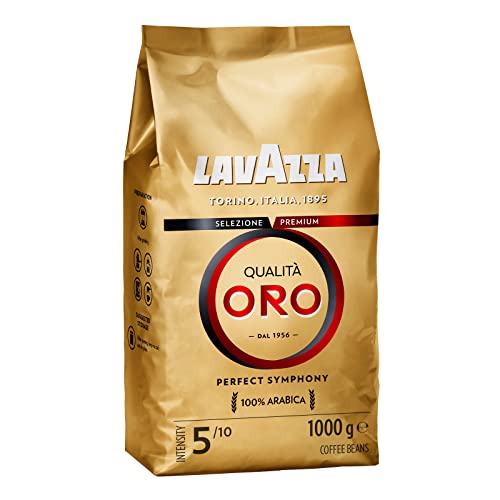
You should consider a Ethiopian heirloom if you enjoy the earthy, cocoa-heavy flavors of Central and South America. These wild naturally occurring cultivars may have wine-like or floral notes that are accompanied by bright acids and unique fruity tastes. A Kenyan heirloom may include citrus and tropical notes. These varieties can be crossed with other varieties to create F1 hybrids. The offspring of these hybrids offer the best of both parents in terms of flavor, pest resistance, and disease resistance.
Flavors
If you're a fan of coffee, you know that single origin arabica beans are sought after for their distinctive and unique flavor. This popular species of bean produces more flavorful and acidic brews than other coffee types like Robusta coffee beans. They are commonly utilized in espresso blends because of their creaminess and added caffeine punch. However, the flavor of a cup of coffee is influenced by many different factors, including its diversity, changing conditions and processing techniques.
Coffee roasters and coffee producers are becoming more aware of the effect of their purchases on farmers' livelihoods. This awareness has resulted in an increasing preference for single-origin beans and an increased emphasis on transparency in the production process. The specialty coffee industry has also put more attention to the Terroir, or the particular flavor characteristics that are unique to each region where coffee is grown.
The quality of a single origin coffee is dependent on many variables such as its variety, conditions for growing and brewing methods. These factors can impact the flavor, aroma, and acidity. The roasting method used influences the flavor and body of a coffee. Lighter roasts are more aromatic and less acidic while darker roasts tend to be more full-bodied and savory.
Another factor that affects the flavor of a coffee is its geographic location. Single-origin Central American coffee is renowned for its smooth texture and flavor of citrus, chocolate and fruits. Particularly, coffee beans from Central America are harvested at high altitudes, and in volcanic soil, where they concentrate and intensify their flavors.
Geisha beans are an exotic type of coffee that is single-origin. They are produced in a handful of farms in Ethiopia and Panama. These expensive and rare beans are famous for their large leaves that are elongated, which provide more resistance to disease. Furthermore, Geisha beans are harvested at lower altitudes than other varieties, resulting in a more delicate taste and higher caffeine content.
To discover the full range of flavor potential you should try a few different single-origin coffees. Begin by narrowing down your search to a specific area, then delve into beans from individual farms within the region to find one that is most compatible with your preferences.
Blends
When it is about coffee, the region of origin is what makes the coffee unique. Single-origin coffees are beans that are grown only in a specific geographical area. It could be a particular country or region, or perhaps one estate. Single-origin coffees are not mixed with other coffees from different regions. This allows the distinctive particular characteristics of the single-origin coffee to be highlighted.
In recent years, single-origin coffees have gained in popularity because coffee drinkers have become more enthralled by exploring other countries and regions. It's easy to understand why: coffee from a single region can give an exotic taste with its unique flavor profile that differs from the typical blends of chocolatey, chocolaty nutty and fruity flavors that have been served up in cafes for ages.
When choosing a single-origin coffee, make sure to take into consideration the season during which it was harvested as well as its processing method. These factors can affect the aroma and flavor of the coffee. Coffees that are washed are bright and fresh with a sharp acidity. Natural-processed beans may have rich floral or earthy notes. Honey-processed coffees are the best option for those who prefer more sweet tastes due to their delicate sweetness.
Understanding your personal preferences is another aspect to take into consideration when selecting a single-origin. If you are unsure of what you prefer, try different single-origin coffees to decide which ones fit your palate the best.
Single-origin arabica beans are available from a variety of regions and countries of the world, and offer various unique flavors and aromas. The care that goes into cultivating and processing these beans results in a distinctive coffee of high quality that is enjoyed by all types of people, from coffee connoisseurs, to novices. Additionally, the use of single-origin coffees promotes fair trade practices that guarantee farmers get the fair compensation they deserve, ensuring that the quality of their product is upheld. Try the single-origin arabica coffee in the morning, or after dinner. It will not be a problem.